items in enquiry


Introduction to contrast techniques
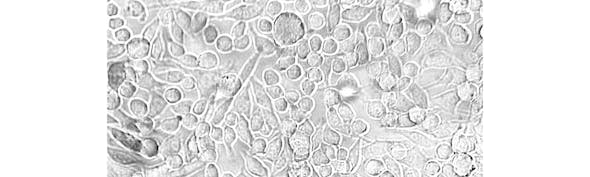
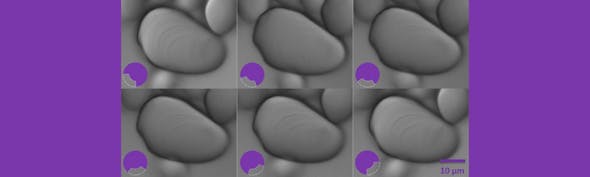
Many biological samples are nearly transparent under standard brightfield illumination, making it difficult to distinguish cells and structures of interest. Contrast-enhancing microscopy techniques improve the visibility of unstained specimens by converting differences in refractive index or light scattering into intensity differences.
The best technique depends on several factors:
- Sample type
- Sample thickness
- Imaging depth
- Resolution requirements
- Available microscope optics
- Experimental workflow
Scientifica has published articles that introduce the four commonly used transmitted-light contrast techniques, explaining how they work and how to set them up:
Which contrast technique should I use?
To begin to work out which technique is best for your experiment, start with the comparison tables below.

Need Help?
Our expert team can help you achieve the perfect contrast set up. Book a lab consultation below.